
Understanding the mental health ramifications of gambling habits
The Psychology of Gambling
Gambling often serves as an escape from daily stressors, providing temporary relief through excitement and adrenaline. This can create a cycle where individuals rely on gambling to cope with anxiety, depression, or other mental health issues. The initial thrill of winning can also release dopamine, reinforcing the behavior and making it more appealing over time. However, users looking for the best social casino real money should remain cautious, as this reliance on gambling as a coping mechanism can lead to more significant psychological distress if the games do not yield the expected rewards.
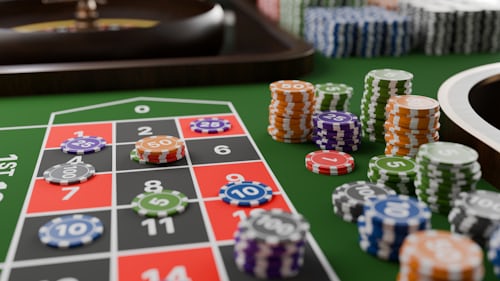
The allure of gambling can be incredibly powerful, often blurring the line between casual play and addiction. Many individuals may not recognize when their habits have shifted from recreational to problematic. Understanding the psychological triggers that drive this behavior is crucial for both individuals and mental health professionals in addressing the underlying issues associated with gambling habits.
Consequences of Problematic Gambling
Engaging in problematic gambling can have a cascade of detrimental effects on an individual’s mental health. Individuals may experience heightened anxiety, increased depression, and a sense of isolation as they withdraw from social networks to hide their habits. The financial strain caused by chasing losses can also exacerbate these feelings, leading to a vicious cycle where mental health deteriorates further.
In extreme cases, the psychological burden of gambling addiction can lead individuals to contemplate self-harm or engage in harmful behaviors. Recognizing these consequences is crucial for encouraging open discussions about gambling and its potential risks, ultimately fostering a more supportive environment for those affected.
Debunking Common Gambling Myths
Misinformation surrounding gambling can often obscure its true risks and mental health implications. One common myth is that gambling is merely a form of entertainment, which can downplay the serious issues faced by individuals who develop unhealthy habits. This perception can deter individuals from seeking help, as they might believe they are simply engaging in a harmless pastime.
Another myth suggests that certain strategies can guarantee wins, fostering a false sense of control. In reality, gambling outcomes are often random, and the house always has an edge. Understanding these myths is essential for individuals to recognize the potential for addiction and its associated mental health ramifications, thus encouraging more informed decisions about gambling activities.
Seeking Help and Resources
For those struggling with gambling habits, seeking professional help is a crucial step towards recovery. Various mental health professionals specialize in treating gambling addiction, offering therapies that address both the addiction and any underlying mental health conditions. Support groups can also provide a sense of community, where individuals can share experiences and strategies for overcoming their challenges.
Utilizing available resources, including counseling and hotlines, can be instrumental in breaking the cycle of addiction. The journey towards recovery is often complex but taking the first step can lead to a healthier relationship with gambling and overall improved mental well-being.

Your Comprehensive Guide to Responsible Gaming
At our website, we provide a wealth of information for those interested in responsible gaming and the implications of gambling on mental health. Our resources include trusted reviews of the best sweepstakes casinos, emphasizing secure and fair gaming experiences. We aim to educate players on the importance of understanding gambling risks while also offering options for enjoyable gameplay that minimizes potential harm.
Our commitment to player safety and transparent processes ensures that individuals can engage in gambling activities with confidence. By promoting responsible gaming practices, we strive to create an environment where players can enjoy their experience while being mindful of the mental health implications associated with gambling habits.